Your Thank You Is Ending the Conversation
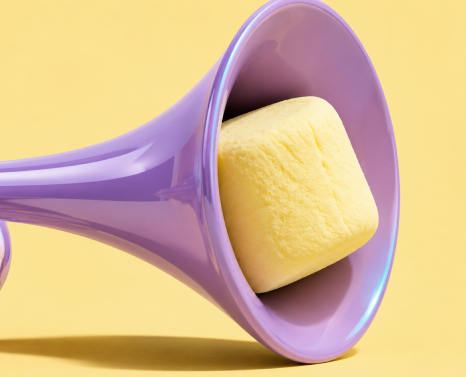
The two words we say most are also the quickest way to end a good moment.
A friend hands you a book. You glance at the cover, smile, and say the line everyone says: “Thanks, I’ve been meaning to read this.”
It is polite. It is warm enough. And it closes the moment like a door, because it answers a question nobody asked.
Your friend did not want an update on your reading list. They thought about you for a week, wandered a bookshop, and picked this one over a dozen others. What they wanted to know was whether they got you right.
The reflex that ends the moment
Most thank yous are reflexes. “I love it, it’s so pretty.” “You shouldn’t have.” “This is way too much.”
They are scripts we learned as kids, and they share one quiet flaw. They are about the object, not the person who chose it, and a couple of them even push the gift back at the giver.
Now replay the same moment. “I love that you picked this for me. What made you think of me when you saw it?”
Same book, completely different conversation. The giver gets to tell you the story of how well they know you, and you get to hear it, which was the real gift all along.
The same thing happens at work. A colleague who stays late to fix your deck hears “thanks, appreciate it” a hundred times a year. What they rarely hear is “you caught the mistake that would have sunk tomorrow’s pitch,” and that is the sentence they remember.
Put the you in thank you
Psychologists have measured exactly this. Sara Algoe and her colleagues at the University of North Carolina video recorded romantic partners thanking each other, then coded what they actually said.
The more the grateful partner praised the other person’s actions, rather than describing how the gift helped themselves, the more understood, happy, and loved the giver felt afterward. The effect held across two independent samples, and the paper’s title sums it up: put the you in thank you.
There is a big difference between “this will be so useful” and “you always notice what I need.” The first is about your benefit. The second tells someone they were seen, and being seen is what people remember long after the gift itself is forgotten.
The effect does not stop with the two people involved. Algoe’s later work found that people who simply witness someone being thanked see the grateful person as a better social partner, and feel more inclined to help the person being thanked.
Why we settle for the short version
If the fuller response works so well, why do we default to two words? Mostly because we expect anything more to feel awkward, or a little too much.
In 3 experiments, Amit Kumar and Nicholas Epley asked people to write letters of gratitude and predict how recipients would react. The writers overestimated the awkwardness and underestimated how good their words would make the other person feel.
They also misjudged how they would come across. Recipients saw the writers as warmer and more competent than the writers expected, and the more awkward people predicted it would be, the less willing they were to send the letter at all.
In other words, the cringe we are trying to avoid lives almost entirely in our own heads. The person in front of us is usually just delighted, and slightly surprised that anyone noticed.
What a mindful response sounds like
You do not need a script, just a little more attention. Pause for 3 seconds, look at the person rather than the wrapping, and let one honest thought arrive before the reflex does.
A few moves that work:
- Name the effort, not the object: “I can see how much time went into this”
- Share the feeling it gave you: “I was having a rough day, and this completely changed it”
- Credit them for knowing you: “You remembered something I mentioned months ago”
- Ask the question behind the gift: “What made you think of me?”
- Calm the giver’s nerves when they say you can return it: “The fact that you wanted to give me something is what matters”
You will not use all 5 at once. Pick the one that is true in the moment, because a mindful response that sounds rehearsed lands no better than the reflex it replaced.
The payoff goes beyond a warmer moment. When Adam Grant and Francesca Gino added a single grateful line to a follow up request, the share of people willing to help again rose from 32% to 66%.
In a separate study of university fundraisers, a word of thanks from their director increased their calls by more than 50% that week, while those who were not thanked carried on as before. Gratitude is how a relationship tells someone it is worth coming back to.
The details that make a thank you land are small and easy to lose: the book they mentioned, the project keeping them up at night, the city they miss. Note them in Covve personal CRM when you hear them, and the next time someone does something kind, you will have far more to say than thanks.
Say thank you. Then say why.